
Why Website Usability and Accessibility Matter for All Users
In today’s digital world, websites play a major role in how people access information, shop, learn, and connect. However, not all websites are designed with every user in mind. Website usability and accessibility are essential elements of effective web design because they ensure that all users, including those with disabilities, can navigate and interact with online content easily. When websites prioritize both usability and accessibility, they create more inclusive, efficient, and user-friendly experiences for everyone.
What Is Website Usability?
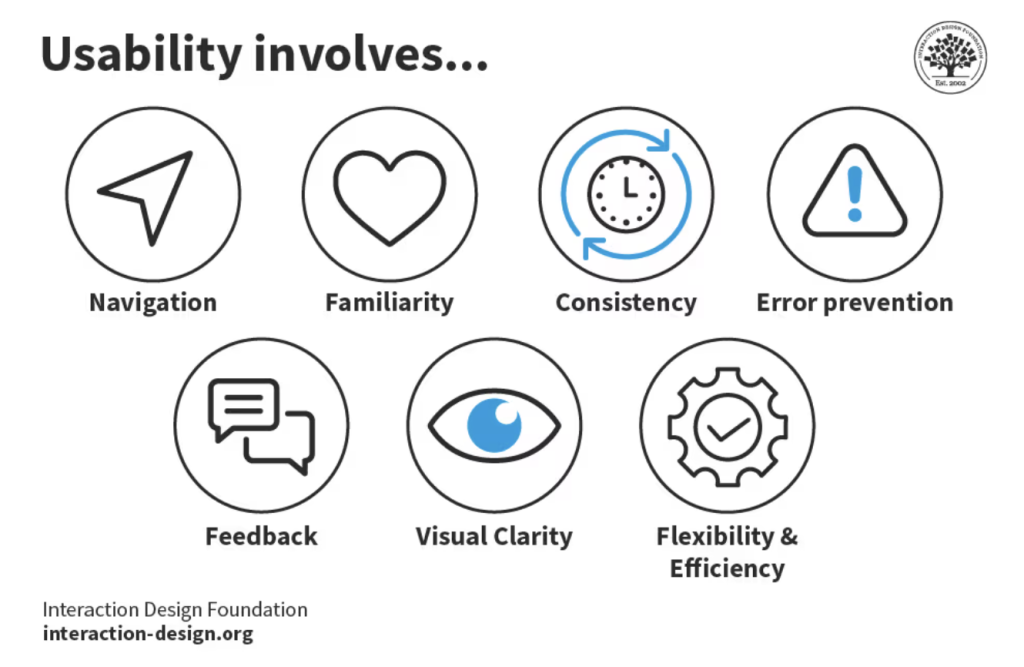
Website usability refers to how easy and intuitive a website is for users to navigate. A usable website allows visitors to quickly find information, understand content, and complete tasks without confusion or frustration. Good usability focuses on clear layouts, logical navigation, readable text, and responsive design.
When a website has strong usability, users are more likely to stay longer and engage with the content. Poor usability can lead to frustration, higher bounce rates, and a negative user experience. Usability best practices support all users, regardless of their technical skills or familiarity with digital platforms.
Why Usability and Accessibility Work Together
Website usability and accessibility are closely connected and often overlap. When a website is accessible, it typically becomes more usable for everyone. For example, captions on videos help users who are deaf or hard of hearing, but they also benefit users watching videos in quiet or noisy environments. Similarly, clear headings and structured layouts help screen readers while also improving readability for all users.
By combining usability and accessibility, websites can create a seamless experience that benefits a wider audience. Accessible web design doesn’t limit creativity, instead, it enhances functionality and user satisfaction.
Why Accessibility Benefits Everyone
Accessible web design can often be misunderstood as only benefiting people with disabilities. In reality, accessibility improves usability for anyone. Clear layouts, readable text, and intuitive navigation help users of all ages and abilities. Accessible design also supports users on mobile devices, slow internet connections, or those multitasking in different environments.
By prioritizing inclusive design, websites can reach larger audiences, improve user satisfaction, and demonstrate social responsibility. Accessibility isn’t just a technical requirement, it’s a fundamental part of creating effective online experiences for everyone.
To Conclude,
Website usability and accessibility are essential components of thoughtful and inclusive web design. When websites are easy to navigate and accessible to all users, they provide better experiences and promote equal access to information. By following usability best practices and incorporating accessibility features, designers and content creators can create websites that serve diverse audiences more effectively. For readers interested in learning more about improving website usability and accessibility, here are some readings:
accessibility, usability, inclusion.
Leave a Comment